What is sleep apnoea, and why does it matter?
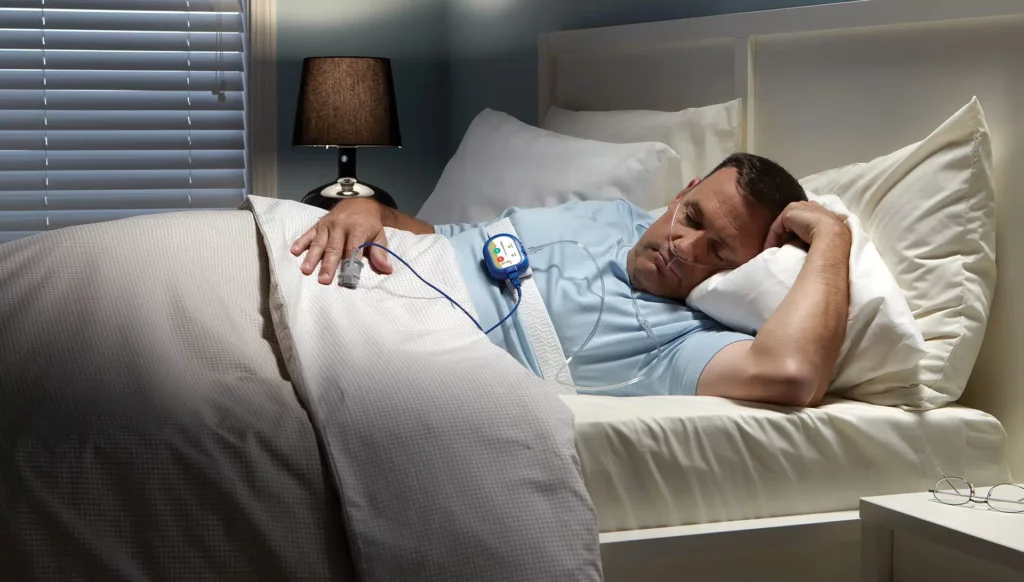
Sleep apnoea is a condition that disrupts breathing during sleep, often dozens of times per hour. These interruptions can reduce oxygen levels and fragment sleep, even if the person does not fully wake or remember it. Over time, untreated sleep apnoea can contribute to high blood pressure, heart strain, mood changes, and reduced daytime performance.
Why should someone consider a sleep apnoea test in Sydney?
They should consider booking a sleep apnea test Sydney if symptoms are frequent, worsening, or affecting safety, work, or relationships. A formal assessment helps confirm whether symptoms are due to obstructive sleep apnoea, another sleep disorder, or lifestyle factors. It also guides the right treatment plan, rather than guessing based on snoring alone.
What are the 7 warning signs that suggest sleep apnoea?
These signs commonly show up together, but even a few can be enough to justify further assessment. If a person is seeing patterns across nights and weeks, it is usually worth discussing a sleep apnoea test with a GP or sleep clinician.
Could loud, frequent snoring be a sign?
Yes, especially when snoring is persistent, disruptive, and worse when lying on the back. Snoring can happen without sleep apnoea, but loud snoring often indicates a narrowed airway, which is a key risk factor. If snoring is paired with gasping or pauses in breathing, the concern rises sharply.
Do pauses in breathing, choking, or gasping during sleep point to sleep apnoea?
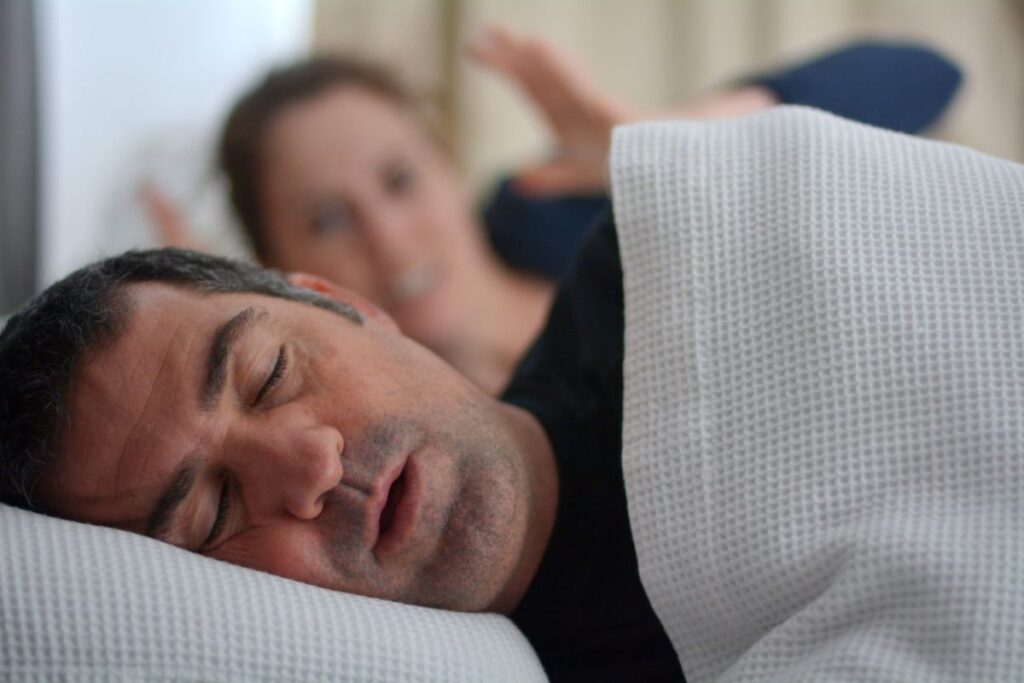
Yes, this is one of the most specific warning signs. A bed partner may notice the person stops breathing, then snorts, gasps, or chokes before breathing resumes. Many people with sleep apnoea do not remember these events, which is why partner observations can be important evidence when seeking testing.
Can excessive daytime sleepiness happen even after a full night in bed?
Yes, and it often does. They may spend eight hours in bed yet still feel unrefreshed, struggle to stay awake during meetings, or feel drowsy on public transport. This happens because breathing disruptions fragment sleep quality, meaning the brain and body do not get enough restorative deep sleep.
Are morning headaches and dry mouth a warning sign?
They can be. Waking with a headache, sore throat, or dry mouth may indicate mouth breathing, snoring, and oxygen fluctuations overnight. While these symptoms have other causes, frequent morning headaches combined with snoring or daytime sleepiness is a common sleep apnoea pattern worth investigating. Check out more about Sleep Test Melbourne: Public vs Private Services Compared.
Could poor concentration, memory lapses, or low mood be linked?
Yes, sleep apnoea can affect cognition and emotional regulation. They may feel irritable, flat, anxious, or less motivated, and may notice more mistakes at work or slower thinking. These changes can be subtle and gradual, which is why people sometimes blame stress or ageing instead of poor sleep quality.
Does waking frequently at night count as a sign, even without obvious snoring?
Yes, repeated night waking can be part of the picture. They might wake to use the bathroom, toss and turn, or wake suddenly without knowing why. Some people have sleep apnoea without classic loud snoring, so fragmented sleep alone, particularly with daytime symptoms, can still warrant testing.
Are high blood pressure and other health risks a reason to get checked?
Yes, especially if blood pressure is difficult to control or if there is a history of heart or metabolic issues. Sleep apnoea is associated with hypertension, cardiovascular strain, and insulin resistance in many people. If they have risk factors plus symptoms such as snoring or sleepiness, a sleep apnoea test becomes a sensible next step.
What should someone do if they recognise these signs?
They should book a GP appointment and describe symptoms clearly, including any partner observations of breathing pauses or gasping. It helps to note how often symptoms occur, whether they are worsening, and whether daytime sleepiness affects driving or work safety. From there, the GP may refer them for a sleep assessment and appropriate testing options.
Other Resources : Find a GP (General Practice) near you
What is the takeaway for anyone searching “sleep apnoea test Sydney”?
If they notice loud snoring, breathing pauses, daytime sleepiness, morning headaches, brain fog, broken sleep, or related health risks, it is reasonable to seek a professional assessment. A test is not just about confirming a diagnosis but about getting clarity and a plan to improve sleep quality, energy, and long-term health.
FAQs (Frequently Asked Questions)
What is sleep apnoea and why is it important to get tested?
Sleep apnoea is a common sleep disorder characterised by repeated pauses or shallow breathing during sleep, which can lead to exhaustion, brain fog, and increased risk of long-term health issues such as high blood pressure and heart problems. Getting tested helps confirm the condition and guides appropriate treatment to improve sleep quality and overall health.
Who should consider a sleep apnoea test in Sydney?
Anyone experiencing frequent or worsening symptoms like loud snoring, pauses in breathing during sleep, excessive daytime sleepiness, morning headaches, or cognitive difficulties should consider a sleep apnoea test. Testing is especially important if these symptoms affect safety, work performance, or relationships.
What are the key warning signs of sleep apnoea to look out for?
Key warning signs include loud and persistent snoring (especially when lying on the back), observed pauses in breathing or gasping during sleep, excessive daytime tiredness despite adequate time in bed, morning headaches or dry mouth, poor concentration or low mood, frequent night waking, and difficulty controlling high blood pressure.
Can loud snoring be an indicator of sleep apnoea?
Yes, loud and frequent snoring often signals a narrowed airway, which is a major risk factor for obstructive sleep apnoea. If snoring is accompanied by gasping or breathing pauses observed by a partner, it significantly raises concern for sleep apnoea.
How does sleep apnoea affect daytime functioning and health?
Sleep apnoea fragments restful sleep causing excessive daytime sleepiness, difficulty concentrating, memory lapses, mood changes such as irritability or anxiety, and reduced motivation. Over time it can contribute to serious health risks including high blood pressure, cardiovascular strain, and metabolic issues.
What steps should I take if I recognise symptoms of sleep apnoea?
If you notice symptoms like loud snoring, breathing pauses during sleep, daytime drowsiness or morning headaches, you should book an appointment with your GP. Be sure to describe your symptoms clearly and include any observations from bed partners. Your GP can then refer you for appropriate sleep assessments and testing in Sydney to confirm diagnosis and plan treatment.